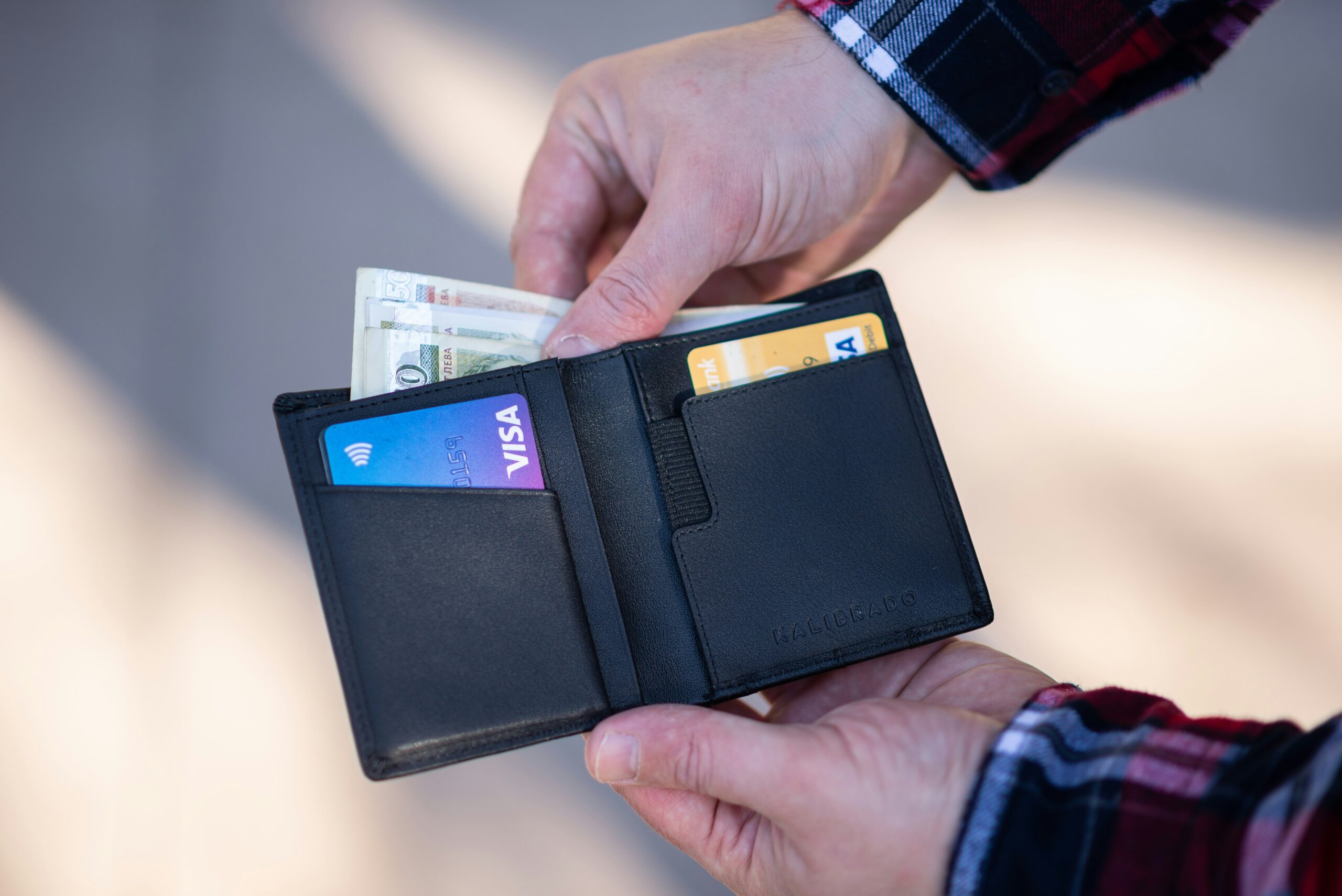
Let’s be real about 2026. The headlines are confusing. One day you hear inflation is cooling to 2.4% . The next day you’re staring at a grocery receipt that makes your stomach drop.
You’re not imagining things. While overall inflation has eased, specific costs like electricity (up 6.3%) and household gas (up 9.8%) are still climbing faster than paychecks . Meanwhile, the job market just posted a shockingly weak report—92,000 jobs lost in January and unemployment ticking up to 4.4% .
Add in oil prices flirting with $100 a barrel due to Middle East conflict, and you’ve got a recipe for what economists are nervously calling “stagflation”—stagnant growth plus high prices .
So what do you do? Hide under the covers? Move to the woods?
No. You fight back with smart strategies that protect your wallet without requiring a second job. Here are nine practical moves to inflation-proof your finances in 2026.
1. Add a “Buffer” to Your Monthly Budget
Here’s the biggest mistake most budgets make: they assume your expenses stay the same every month.
They don’t. Groceries, gas, and utilities jump around constantly. And when prices spike, that “perfect” budget blows up—usually onto a credit card .
Financial planner Juan HernandezAriano puts it bluntly: “Most people don’t blow up their budget because they’re careless. They blow it up because the budget they created was built around an unrealistically precise number” .
The fix: Add a buffer of 10-15% to your monthly variable expenses . Keep that extra money in your checking account specifically to absorb price increases. Think of it as a shock absorber for your budget.
If your regular expenses run $3,000 a month, keep an extra $300-$450 in your account. When gas spikes or utilities surge, you’re covered. No credit card needed .
2. Move Your Cash to a High-Yield Savings Account
If your savings is sitting in a traditional bank earning 0.39% APY (the national average), you’re losing money to inflation every single day .
The best high-yield savings accounts in 2026 are paying between 3.70% and 4.00% APY —more than 10 times the national average .
SoFi, for example, offers up to 4.00% APY with direct deposit . On $10,000, that’s the difference between earning $39 a year and earning $400. That’s free money. Why leave it on the table?
Your move this week: Open a high-yield savings account online. It takes 15 minutes. Move your emergency fund there immediately. Your future self will thank you.
3. Slash Insurance Bills in 10 Minutes
Here’s something you can control: your insurance premiums.
Blindly renewing your car and home insurance is a guaranteed way to overpay. Prices are up everywhere, but insurance companies compete fiercely for your business.
Using a comparison tool like Insurify lets you view quotes from dozens of providers at once . Many people find hundreds of dollars in immediate savings without sacrificing coverage .
Set a timer for 10 minutes. Compare rates. Switch if it saves money. That’s an easy $200–$500 back in your pocket this year.
4. Claim Discounts You’re Already Paying For
You know what’s infuriating? Paying full price when discounts exist that you just haven’t claimed.
An AARP membership costs as little as $15 per year with auto-renewal . Members get discounts on:
- Up to $200 per person off flights
- Up to 30% off rental cars
- Up to 15% off restaurants
- Up to 20% off hotels
You’ll also save on eyeglasses, prescriptions, and meal deliveries . You’ll likely recoup the cost in your first week of use. And no, you don’t have to be retiring age—anyone can join.
5. Attack High-Interest Debt Like Your Future Depends on It
Carrying credit card debt in 2026 is brutal. The bank prime loan rate is sitting at 6.75% , which means credit card APRs are even higher .
If you’re only making minimum payments, you’re fighting a losing battle against compound interest.
Two strategies to consider:
0% balance transfer cards. Moving your debt to a 0% introductory APR card pauses interest completely . Every dollar you pay goes to principal. Just watch those transfer fees and pay it off before the promo period ends.
Debt negotiation programs. Companies like National Debt Relief negotiate directly with creditors to reduce the actual principal you owe . This isn’t a loan—it’s a settlement strategy that can clear balances faster than paying minimums .
6. Stress-Test Your Retirement Strategy
The stock market has had a good run. But with oil prices surging and the Fed stuck in a “policy trap” , volatility is likely ahead .
Now is the time to check if your portfolio matches your actual risk tolerance—before a correction does it for you.
A Vanguard study found that investments grown over 25 years can nearly double when managed by a professional advisor compared to going it alone .
Services like SmartAsset connect you with vetted fiduciary advisors in your area . If you have $100,000 or more invested , a free consultation could change your retirement trajectory.
7. Protect Your Car (and Your Savings)
Car repairs are brutal right now. One mechanic told Consumer Reports that a decade ago, the average repair was roughly $1,000 . Today, it’s several thousand .
Since new car loans are expensive, you’re likely holding onto your current vehicle longer. That means more repairs—and more risk to your emergency fund.
An extended warranty from a company like Endurance shields you from surprise mechanic bills . They pay the shop directly, so your savings stay untouched. They cover vehicles up to 20 years old and include 24/7 roadside assistance .
Is it worth it? Run the numbers. One major transmission repair can cost $3,000–$5,000. Compare that to warranty costs and decide.
8. Pause Your Credit Card Interest
If you can’t pay off credit cards immediately, you must at least stop the interest from compounding.
Moving existing debt to a 0% introductory APR credit card hits the pause button on bank fees . This allows every dollar you pay to go directly toward the principal balance.
Our credit card experts have identified top cards perfect for paying down debt rather than adding to it . If you have outstanding balances, this move could save you hundreds in interest while you dig out.
9. Earn Extra Cash From Your Couch
Sometimes cutting costs isn’t enough. Sometimes you need more income.
You don’t need a second job with set hours. Platforms like FreeCash let you earn extra dollars in your downtime by taking surveys or playing games .
Users have already withdrawn millions of dollars . You can transfer earnings through PayPal, crypto, or gift cards. It won’t make you rich, but an extra $50–$100 a month adds up fast—especially when you direct it straight to savings.
The Big Picture: Why These Moves Matter Now
Here’s what’s happening beneath the headlines.
Inflation is at 2.4% , which sounds manageable . But core inflation (stripping out food and energy) is stickier at 2.5% . And energy costs? Brent crude just spiked past $100 a barrel due to Middle East conflict .
That means the Federal Reserve is stuck. They can’t cut rates to stimulate the job market (which just lost 92,000 jobs ) because inflation might flare up again . They can’t raise rates to fight inflation because the economy might tip into recession .
This “policy trap” means higher-for-longer interest rates . The effective federal funds rate is holding at 3.64% . That’s great for savers (hello, high-yield accounts!) but brutal for borrowers.
Your move: become a saver, not a borrower, for the rest of 2026.
Personal Take:
*When I built my first emergency fund, I learned that the money itself was only half the win. The other half was realizing I could actually do this. I’d always thought saving was for other people—people with better jobs, more discipline, fewer bills. But $50 at a time, week after week, I proved myself wrong. That confidence changed everything about how I handle money. The same applies to inflation-fighting: you don’t need perfection. You need progress.*
Conclusion: You Can’t Control Prices, But You Can Control Your Response
Look, you didn’t cause inflation. You didn’t cause the job market slowdown. You didn’t cause oil prices to spike.
But you can control how you respond.
Add that budget buffer. Move your savings to a high-yield account. Shop your insurance. Claim the discounts you’re entitled to. Attack your debt. Protect your car. Stress-test your retirement. And if you need more cash, earn it from your couch.
These nine moves won’t make you rich overnight. But they’ll build a shield between you and the economic uncertainty of 2026. And that shield? It’s worth more than any single dollar saved.
Key Takeaways:
- Add 10-15% buffer to monthly expenses to absorb price spikes without debt
- Move savings to high-yield accounts earning 4% instead of 0.39%
- Compare insurance rates annually—hundreds of dollars are waiting to be found
- Claim discounts through memberships you already qualify for
- Attack high-interest debt with 0% transfers or negotiation programs
- Stress-test investments with a fiduciary advisor
- Protect your car with an extended warranty if repairs would wipe out savings
- Earn side income through flexible platforms during downtime
FAQ
Q: Is inflation actually getting better in 2026?
A: It’s complicated. Headline inflation is down to 2.4% , which is good news . But specific costs like electricity (up 6.3%) and gas (up 9.8%) are still climbing . And with oil prices spiking past $100 a barrel , energy costs could push inflation back up . The “last mile” to the Fed’s 2% target is proving stubborn .
Q: Should I keep extra cash in checking or move it to savings?
A: Both. Financial experts suggest keeping a 10-15% buffer in checking specifically for monthly price spikes in groceries, gas, and utilities . The rest of your emergency savings belongs in a high-yield savings account earning 4% . That way, you’re covered for both regular fluctuations and true emergencies.
Q: What’s the #1 thing I should do this week?
A: Open a high-yield savings account and move your emergency fund there. The national average is 0.39% ; top accounts are paying 4.00% . On $10,000, that’s an extra $360 a year for doing absolutely nothing . Set it and forget it—your money will finally start working for you.